
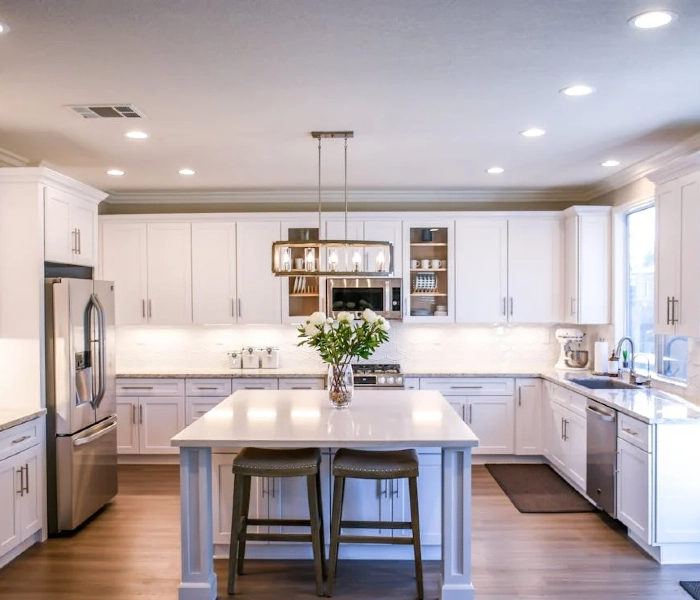
When it comes to designing your dream kitchen or bathroom, choosing between frameless and framed cabinets is a big decision. Many homeowners wonder about the differences in the framed vs frameless cabinetry debate. At TopCo, we get this question a lot: “What’s the difference between framed cabinets and frameless cabinets, and which is better for my space?” This article will compare framed and frameless cabinetry to help you make informed decisions for your project.
The truth is, both cabinet types have their own set of strengths, and the right choice really comes down to your preferred cabinet style, layout, and how you use your space. We’ll look at framed and frameless cabinetry as the two main options to help you decide what’s best for your next cabinetry project.
Framed Cabinets: A Classic with Structure
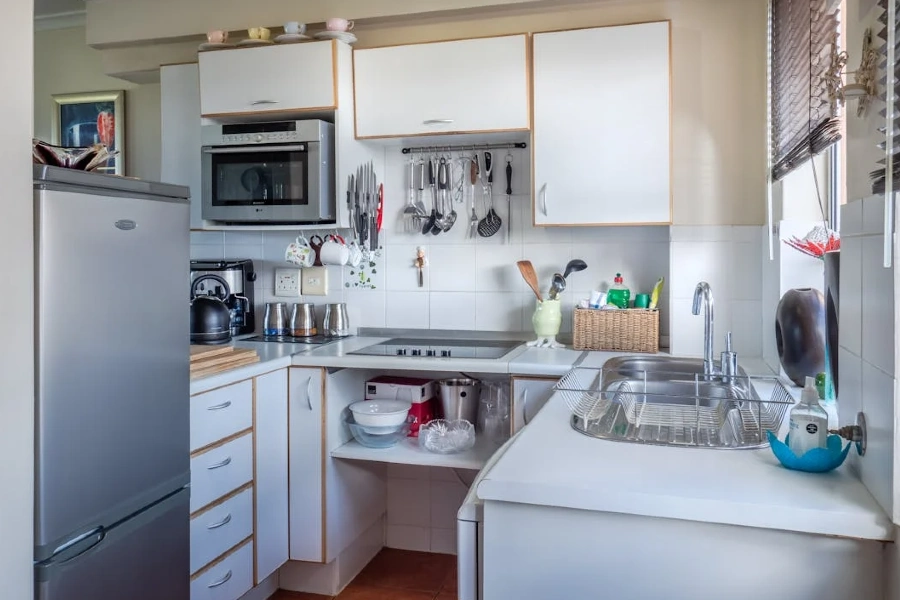
Framed cabinets are exactly what they sound like—they have a solid wood face frame attached to the front of the cabinet box. A framed cabinet is a traditional construction style where the face frame provides both structural support and a classic look. This face frame is made up of vertical stiles and horizontal rails, and the frame resembles a picture frame on the front of the cabinet. This face frame acts as a stabilizing border for the cabinet doors and drawer fronts, adding strength and durability, and contributes to the traditional styling often sought in kitchen design.
Key Features of Framed Cabinetry:
- Center stile for support (on some models)
- Partial overlay, full overlay, or inset doors
- Framed construction creates a more traditional appearance
- Cabinet sides are supported by the face frame
- Works well with roll-out shelves and pull-outs
Framed cabinets are a favorite in traditional design styles. If you’re aiming for a classic look and value structural reinforcement, this style might be right up your alley.
Frameless Cabinets: Modern and Sleek
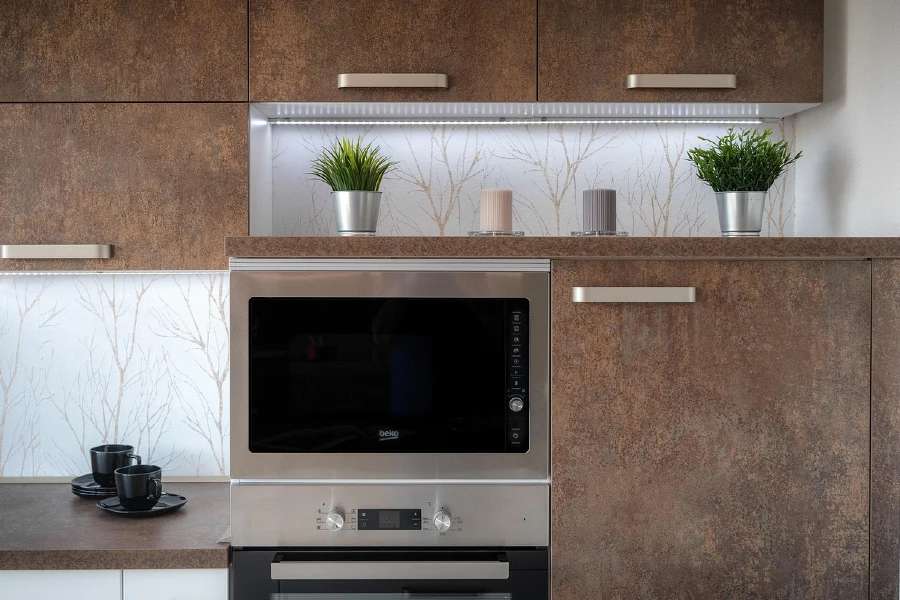
Also called European-style or full access cabinets, a frameless cabinet ditches the face frame altogether. Frameless construction features full-overlay doors mounted directly to the cabinet box, providing greater accessibility, a modern look, and maximizing usable space.
Instead, door hinges and other hardware, such as roll trays, are mounted directly to the cabinet side, which increases storage space and allows for specific hinge spacing. This makes frameless cabinets an attractive option for those seeking a sleek, modern, and cost-effective solution. Frameless cabinets are especially ideal for contemporary kitchen designs, thanks to their seamless appearance and minimal hardware.
However, keep in mind that frameless cabinets may require more fillers due to their construction.
Highlights of Frameless Cabinetry:
- Offers more storage space due to wider cabinet openings
- Clean, minimal lines that work with modern design
- Supports full overlay doors
- Easier to clean and maintain with fewer corners
- Popular with frameless kitchen cabinets and bath vanities
Because there’s no frame to block your reach, frameless cabinets offer easier access to every inch of interior space. It’s a perfect match for homeowners who want a sleek style and endless design possibilities.
Frameless and Framed Cabinets: What’s the Real Difference?
Let’s compare framed and frameless cabinetry side-by-side:
| Feature | Framed Cabinets | Frameless Cabinets |
|---|---|---|
| Structure | Face frame provides added structural integrity | Box-only design, no face frame |
| Style | Traditional aesthetic | Modern, seamless appearance |
| Storage / Cabinet Opening | Slightly reduced cabinet interior and smaller cabinet opening due to face frame | Offers more storage space and larger cabinet opening for easier access |
| Doors | Inset doors, partial overlay, standard overlay | Typically full overlay doors |
| Access | Face frame can obstruct interior | Full access design with wider cabinet opening |
| Installation | May take more time due to alignment of frame | Often a cost effective solution with easier installation |
| Maintenance | Face frame can add durability | Fewer parts, easier cleaning |
So whether you love the classic look of framed cabinetry or lean toward the modern appeal of frameless, knowing how they differ helps you get the best fit for your space.
What Style Fits Your Kitchen Design?
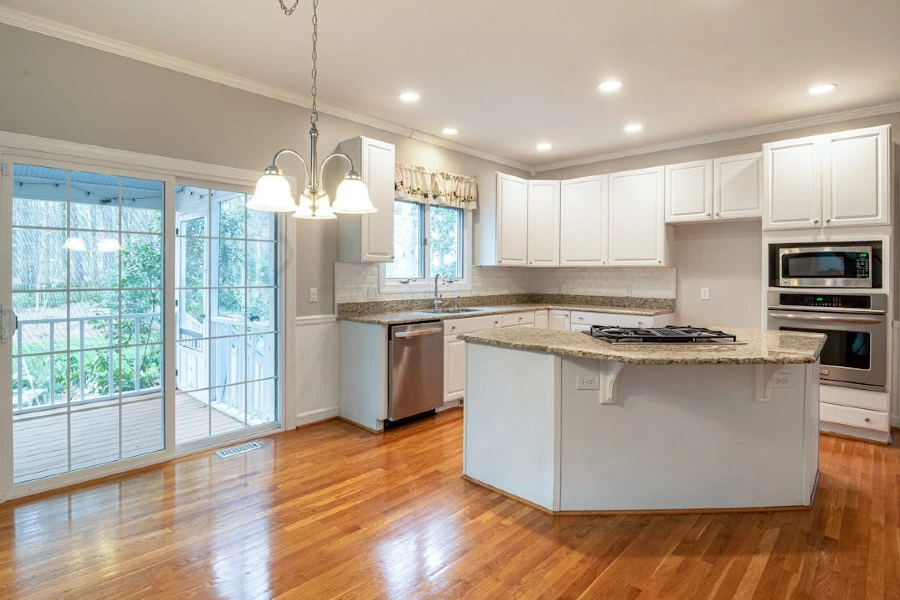
Choose Framed Cabinets If You:
- Love traditional or farmhouse design styles
- Prefer cabinet doors with a bit more decorative detail
- Don’t mind slightly less storage capacity
- Want the solid wood face frame look
Choose Frameless Cabinets If You:
- Want a clean, minimalist aesthetic
- Value full access and more storage
- Prefer overlay doors for a seamless design
- Are you working with a modern kitchen design
What About Cabinet Construction?
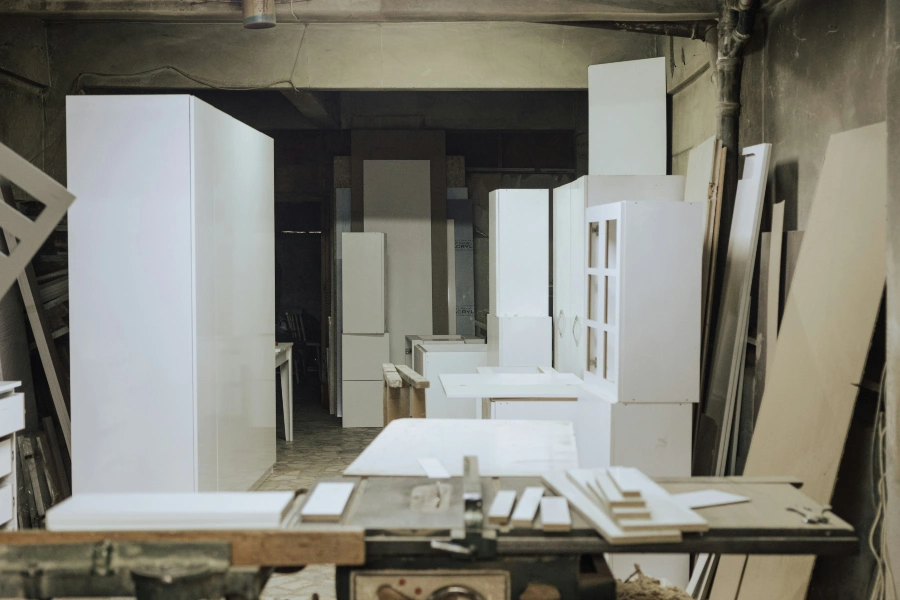
At the heart of both types is solid cabinet construction. Whether framed or frameless, both cabinet types can be made from high-quality plywood, MDF, or solid wood, depending on your preferences and budget.
Also, don’t forget the details that add a custom touch:
- Cabinet hardware placement (pulls, knobs, handles)
- Drawer fronts: style and function
- Cabinet sides’ visibility and finish
- Matching cabinetry for open shelving or islands
At TopCo, we guide you through these selections—right down to the installation process—so you can feel confident your cabinets are not only functional but attractive.
How Framed and Frameless Cabinets Affect Storage Space
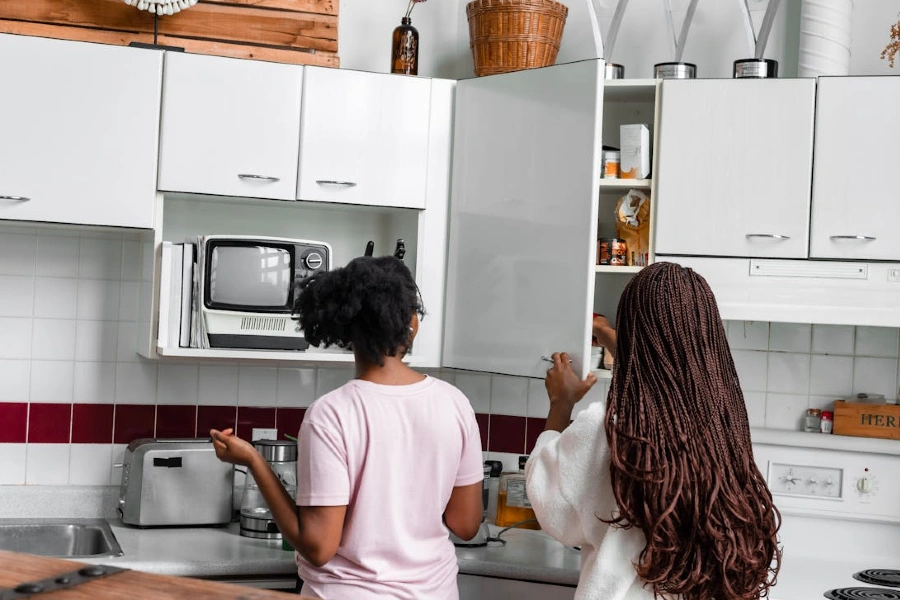
The biggest functional difference comes down to how the cabinet box is used. Because frameless cabinets don’t have a face frame, they can offer:
- Wider drawers
- Larger cabinet interior openings
- Better cabinet access for items stored at the back
This can be a game-changer in smaller kitchens or bathroom cabinetry, where every inch matters.
That said, framed cabinets hold their own with roll out shelves, pull outs, and drawer inserts that help organize items with ease. So both styles can be efficient—just in slightly different ways.
Tips for Choosing Between Frameless and Framed Cabinetry
- Think about your overall kitchen design style
- Consider how much storage space you need
- Measure your space and door swing clearance
- Factor in your budget and material choices
- Don’t forget the drawer fronts, door hinges, and hardware details
- Take a close look at the installation—frameless can be faster
A Final Note from TopCo
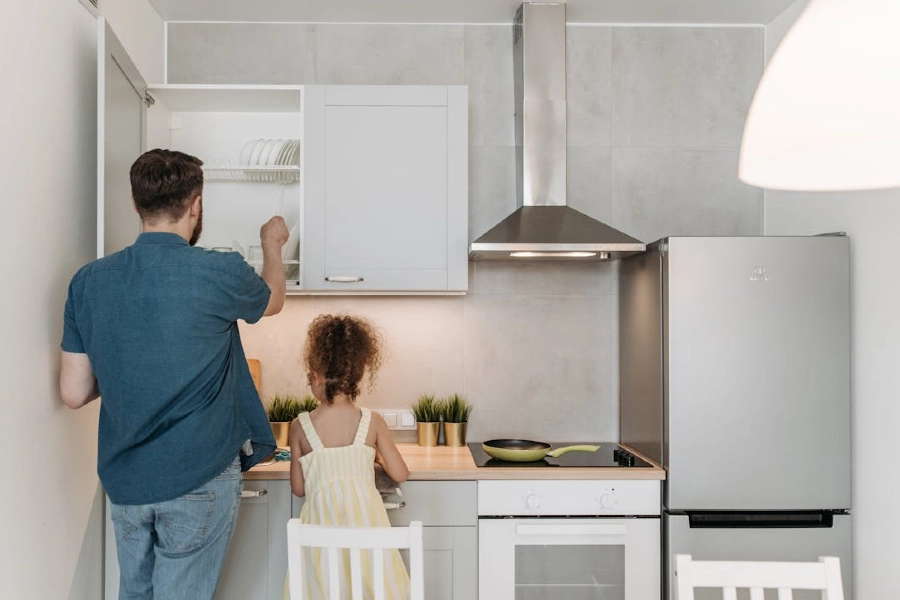
At TopCo, we’ve worked with homeowners and contractors across all kinds of projects—whether it’s building sleek frameless cabinetry for a condo remodel or designing classic framed construction for a cozy family home.
We carry a curated selection of cabinet styles and storage solutions to match your layout, budget, and aesthetic. While we don’t offer stone countertops like granite or quartz, our hevea and acacia butcherblock counters are a perfect complement to any cabinet system—frameless and framed cabinets alike.
Need Help Choosing Between Framed and Frameless Cabinets?
Let TopCo walk you through your options. Whether you’re upgrading your kitchen design, revamping the bathroom, or just replacing a few cabinet doors, we have what you need to pull the whole look together.
Contactus today to explore our cabinet collections, see samples, or get started on a layout that fits your space. We’ll help you make smart, stylish choices—without the stress.